Real Ones Don't Need an Algorithm: How The Lawrence Arms Built a Fanbase That Actually Shows Up
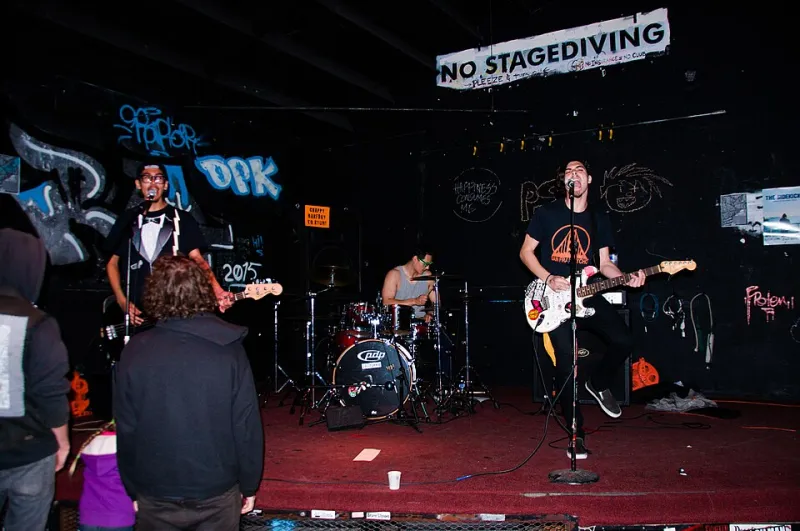
Photo: Mitch Altman from San Francisco, USA, CC BY-SA 2.0, via Wikimedia Commons
Let's be honest about something: most conversations about music marketing in 2024 are deeply exhausting. The word "authentic" gets thrown around so often it's basically meaningless. Brands hire consultants to manufacture "grassroots" energy. Bands post TikToks of themselves reacting to their own songs. The whole ecosystem is designed to make you feel a connection that was engineered in a conference room somewhere.
And then there are bands like The Lawrence Arms, who have been doing this for over two decades without a viral moment, without a reality TV cameo, and without — as far as anyone can tell — a single meeting where someone said the words "content strategy."
Yet their fanbase is genuinely, stubbornly loyal in a way that most newer acts would kill for.
So what's actually going on here?
The Basement Was the Blueprint
To understand how The Lawrence Arms connect with their audience now, you have to go back to where it started: Chicago's DIY scene in the late '90s, where shows happened in basements and VFW halls and bars that didn't card too hard. That scene had a particular ethos — bands weren't above their audience, they were part of it. You'd see the same people at every show, then run into them at the record store the next day.
That's not nostalgia talking. That's a foundational relationship between a band and its community that The Lawrence Arms never abandoned, even as the venues got bigger. The model was always: show up, be real, treat the people who come to your shows like they matter. It sounds simple because it is. The hard part is actually doing it for twenty-plus years without letting the industry grind it out of you.
Fans who've been around since the early days talk about this constantly — the fact that the band has always been accessible in ways that feel genuine rather than performative. Not in a "meet and greet package for $150" kind of way. More like: they're at the merch table after the show, they remember faces, they talk to people like people.
In the TikTok era, that kind of behavior is practically revolutionary.
What Goes Viral vs. What Lasts
Here's a question worth sitting with: how many bands can you name that blew up on TikTok two years ago and are now selling out mid-sized venues with a fanbase that actually cares about the back catalog?
There are some — it's not impossible — but the conversion rate from viral moment to genuine community is genuinely terrible. Most of the time, the algorithm gives you a spike and then moves on, and the "fans" who came in through a 15-second clip don't stick around for the full record.
The Lawrence Arms have the inverse problem, which is a much better problem to have: their fanbase is smaller in raw numbers but almost absurdly committed. These are people who will drive four hours for a show, who have the lyrics tattooed somewhere on their body, who introduce their kids to the band. That's not something you manufacture. That's something you earn over time by consistently being worth it.
The band's approach to social media reflects this. They're present without being desperate about it. There's no calculated attempt to crack the For You Page. When they post, it feels like it's actually coming from humans who are in a band, not from a content calendar. That sounds like a low bar, but spend five minutes on music Twitter and you'll realize it isn't.
The Community Does the Work
One of the underappreciated parts of the Lawrence Arms ecosystem is how much the community itself functions as a promotional engine — not because anyone asked it to, but because that's what happens when people genuinely love something.
Fan forums, Reddit threads, Discord servers, show recaps, deep-dive playlists — all of it gets created organically by people who want to share something they care about. That's free, and more importantly, it's credible. A recommendation from a stranger on a message board who clearly knows the catalog hits differently than a sponsored post.
This is something brands have been trying to replicate artificially for years, and they keep failing because you can't fake the underlying condition: people have to actually love the thing. The Lawrence Arms have that. The community they've built reflects it.
What Younger Bands Can Learn From This
Look, nobody's saying that The Lawrence Arms have it all figured out or that their approach is some kind of perfect model. The music industry is brutal and unpredictable, and there are plenty of great bands who do everything right and still struggle to pay their rent.
But there's something genuinely instructive in how they've navigated the shift to the streaming and social media era without either disappearing or compromising the thing that made people care about them in the first place.
The lesson isn't "ignore TikTok" — that's not really practical advice. The lesson is closer to: know who you are before you try to figure out who the algorithm wants you to be. The bands that get swallowed by the content machine are usually the ones who didn't have a strong enough identity to push back against it.
The Lawrence Arms have never had that problem. They've always known exactly what they are: a Chicago punk band that writes honest songs and plays them loud and treats the people who show up like they're part of something. That's it. That's the whole thing.
Turns out, that's enough. More than enough.
Still Here, Still Loud
The most remarkable thing about The Lawrence Arms' community isn't its size — it's its durability. These fans don't cycle out. They age up, get jobs, have families, and they still show up to the shows. They still buy the records. They still bring new people in.
That's what a real fanbase looks like. Not a metric. Not an engagement rate. A room full of people who actually give a damn, night after night, city after city, year after year.
The algorithm didn't build that. The band did. One show at a time.