Shout It Loud: How Fan Requests Turned Lawrence Arms Shows Into Living Setlists
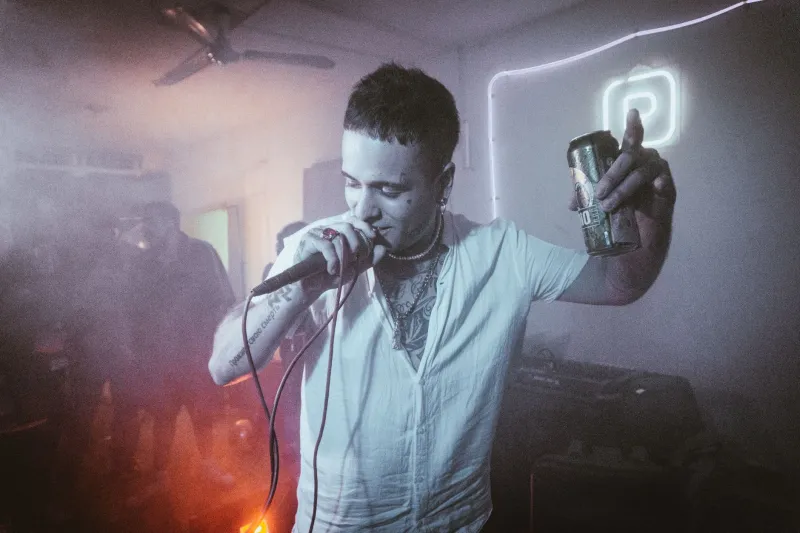
There's a moment that happens at Lawrence Arms shows that doesn't happen many other places in punk rock. Someone in the crowd — usually toward the back, usually someone who looks like they've been doing this since Apathy and Exhaustion dropped — screams out a song title. Not a hit. Not the obvious choice. Something buried on side two of a record most casual listeners have never touched. And sometimes, just sometimes, the band plays it.
That moment — that tiny, electric negotiation between stage and floor — is the beating heart of what makes a Lawrence Arms live experience different from almost anything else you can buy a ticket to.
The Unwritten Setlist
Every touring band has a working setlist. There are songs that anchor the night, songs that close the night, songs that exist because they translate well in a room full of strangers who might be hearing the band for the first time. The Lawrence Arms are no different. Brendan Kelly, Chris McCaughan, and Neil Hennessy have been doing this long enough to know what works.
But longtime fans will tell you the setlist is more of a suggestion than a contract.
"I saw them in Columbus maybe four years ago," says Marcus T., a fan who's been following the band since the mid-2000s. "I'd been going to shows long enough to know they weren't going to play 'Your Gravest Words.' It's just not a live staple. So I screamed it anyway, mostly as a joke. And then Brendan kind of looked over and they actually played it. I nearly fell over."
That kind of story isn't rare in Lawrence Arms circles. It's practically a genre of fan conversation — the unexpected song, the deep cut resurrection, the night the band threw out the plan and played something they hadn't touched in years because someone in the room wanted it badly enough to ask.
Why This Actually Matters
You could write this off as a fun quirk. Bands play requests sometimes. Big deal. But there's something structurally important happening here that goes beyond a nice moment.
When a band is willing to deviate from the script based on real-time input from the room, they're communicating something fundamental about how they see their relationship with their audience. They're saying: you're not here to receive a performance, you're here to participate in one. That's a radically different posture than most acts — punk or otherwise — are willing to take.
For a fanbase that's built its identity around authenticity and the rejection of corporate, pre-packaged entertainment, this matters enormously. It's proof of concept. The band isn't just singing about community; they're structuring the actual show experience around it.
"The thing is, they could just run the same 22 songs every night and people would be happy," says Dani R., who's attended Lawrence Arms shows across three different states. "But the fact that they don't — the fact that you genuinely don't know what's going to happen — makes every single show feel like it's yours. Like it was made for that room."
The Deep Cut Economy
Not every request lands. That's part of the deal, and real fans know it. There's an unspoken literacy required to shout for something that has any chance of happening. You don't scream for Cocktails and Dreams if the band hasn't played it in a decade and there are 200 people in the room who've never heard it. You read the room. You pick your moment.
This has created a kind of informal knowledge economy among dedicated fans — a collective awareness of which songs are in rotation, which ones are possible if the energy is right, and which ones are genuine white whales. Online communities dedicated to the band track setlists from every show, noting variations, flagging surprises, and building a living archive of what's been played when.
That archive becomes its own kind of fan literature. A record of all the nights something unexpected happened. A map of the gaps between what was planned and what actually went down.
The Band's End of the Bargain
None of this works without the band's genuine willingness to stay loose. Plenty of acts claim spontaneity while running an identical set every night. The Lawrence Arms have actually earned the reputation.
Part of it is simply longevity — when you've been playing these songs for 20-plus years, the muscle memory is deep enough that you can pull out something you haven't touched in a while without it falling apart. Part of it is temperament. Kelly and McCaughan have both talked in interviews about the show-to-show variability being something they actively value, a way of keeping the experience fresh for themselves as much as for the audience.
But a big part of it is just respect. Respect for the people who keep showing up. Who drive four hours. Who bring their kids now. Who've been in the room since the early days and still know every word to the B-sides.
"When someone shouts for something obscure and the band actually plays it," Marcus says, "it's not just a cool moment. It's the band saying: we know you're here. We see you. We remember that you've been doing this with us."
Every Night, a Different Room
The practical result of all this is that no two Lawrence Arms shows are quite the same. Fans who travel to multiple stops on a tour aren't just chasing a spectacle — they're chasing the version of the night that might only happen once. The song that gets played because someone asked. The set that goes sideways in the best possible way.
In an era where live music has become increasingly polished, increasingly algorithmic, increasingly designed to deliver a consistent and predictable product, there's something genuinely countercultural about a band that still treats the setlist as a conversation rather than a broadcast.
That's not an accident. It's a choice. And it's one of the reasons that after all these years, showing up to a Lawrence Arms show still feels like something that can surprise you.
Show up. Shout your song. You never know.